Event of Ghadir Khumm: What Happened & Why It Matters
Blog

What Is the Event of Ghadir Khumm? Why Is It So Important?

If you’ve spent any time around Shia communities, you’ve probably heard the name Ghadir Khumm mentioned with a kind of reverence usually reserved for Eid itself. In fact, in many households, the 18th of Dhul Hijjah is celebrated as a full holiday — Eid al-Ghadir — complete with recitations, gatherings, and gratitude. But if you’re not familiar with the story, the name alone doesn’t tell you much. Ghadir Khumm is actually the name of a place — a stretch of desert between Mecca and Medina — and what happened there, according to Shia belief, changed the entire course of Islamic history. Let’s walk through what actually happened, why it matters so deeply, and why it remains one of the most debated events in Islamic memory. Read this also: How to Read Quran Correctly: A Complete Guide for Beginners The Setting: The Final Pilgrimage In the 10th year after Hijrah, the Holy Prophet (peace be upon him and his family) performed what would be his last pilgrimage to Mecca — known as Hajj al-Wida, the Farewell Pilgrimage. Over a hundred thousand Muslims had gathered from across Arabia to perform this journey alongside him. Everyone sensed, in some quiet way, that this pilgrimage carried a different weight than the others. On the way back to Medina, at a watering place called Ghadir Khumm, where roads split off in different directions toward different tribal homelands, the Prophet suddenly ordered the caravan to stop. This wasn’t a planned rest stop. It was, by nearly every historical account, unexpected and urgent. The Revelation That Set Everything in Motion Shortly before this stop, Allah had revealed a verse to the Prophet that carries an almost anxious tone — rare in the Qur’an: “O Messenger, announce that which has been revealed to you from your Lord, and if you do not, then you have not conveyed His message. And Allah will protect you from the people.” (Surah Al-Ma’idah 5:67) Notice the phrasing. Allah isn’t simply asking the Prophet to deliver a message — He is telling him that failing to deliver it would mean failing his entire mission, and reassuring him of protection, as if anticipating resistance. Something significant was about to be said. What Happened at Ghadir In the intense midday heat, the Prophet had a makeshift pulpit built from camel saddles so the enormous crowd could see him. He then delivered a lengthy sermon, reminding the people of his approaching death, asking them to reflect on his life among them, and reminding them of the Qur’an and his household (the Ahlulbayt) as the two things he was leaving behind for their guidance. Then came the moment Shia Muslims regard as the turning point of Islamic history. The Prophet took the hand of Imam Ali ibn Abi Talib, raised it so the crowd could see, and declared: “Man kuntu mawlahu fa hadha Aliyyun mawlahu” “Whoever I am the mawla (master/guardian) of, this Ali is his mawla.” He then prayed: “O Allah, be a friend to whoever befriends him, and an enemy to whoever opposes him.” This declaration is not an isolated Shia claim tucked away in obscure books. It’s recorded across major Sunni hadith collections too, including Musnad Ahmad ibn Hanbal, Sunan Ibn Majah, and Sunan al-Tirmidhi (which grades it hasan). Even Sunni scholars who don’t accept the political implications Shia Muslims draw from it acknowledge that the Prophet said these words, in public, in front of an enormous crowd, on his way home from his final Hajj. Why Shia Muslims See This as a Declaration of Successorship For Shia Muslims, this wasn’t a vague statement of affection. The word “Mawla” carries real weight — it echoes back to earlier in the same sermon, where the Prophet reportedly asked the crowd, “Am I not more worthy (awla) of you than you are of yourselves?” and the crowd affirmed it. He then followed that acknowledgment immediately with the declaration about Ali, linking the same authority the Prophet held over the believers to Ali. According to Shia tradition, this event was so significant that Allah revealed a verse shortly afterward: “This day I have perfected for you your religion and completed My favor upon you and have approved for you Islam as religion.” (Surah Al-Ma’idah 5:3) Shia scholars — tracing this connection back to narrations from Imam Muhammad al-Baqir — see this as confirmation that the religion was not truly “complete” until the question of leadership after the Prophet was settled through Ali’s appointment. It’s worth noting honestly, though: mainstream Sunni tafsir generally connects this same verse to the completion of the Hajj rites rather than to Ghadir specifically, so this remains a point where Sunni and Shia scholarship genuinely diverge. Why It Still Matters Today Ghadir Khumm isn’t just a historical curiosity for Shia Muslims — it’s the foundation of the belief that Imamat, the leadership of the Muslim community after the Prophet, was never meant to be left to human selection or tribal negotiation. It was announced publicly, deliberately, under direct divine command, months before the Prophet’s passing — not decided hastily in a private gathering afterward. That’s why, every year, Shia communities around the world mark the 18th of Dhul Hijjah with genuine joy. It’s remembered not as a footnote in history, but as the day the Prophet stood before the largest gathering of his followers and made unmistakably clear who he trusted to carry the mantle of guidance forward. Read this also: Noorani Qaida vs Yassarnal Quran: Which One Is Better for Quran Beginners? Frequently Asked Questions 1. Where exactly is Ghadir Khumm located? The Ghadir Khumm is a location near a lake/water point in the vicinity of a place known as Juhfah where the roads diverged to different areas of Arabia. It is in this location that the Prophet halted the returning pilgrims and gave his famous sermon. 2. Is this event accepted among Sunni Muslims? Yes, the main event as well as the hadith “man kuntu mawlahu fa Ali mawlahu” has

How to Read Quran Correctly: A Complete Guide for Beginners
Blog

How to Read Quran Correctly: A Complete Guide for Beginners

Introduction: The Importance of Reading Quran Correctly The Holy Quran is the most precious source of guidance for Muslims. Reading the Quran correctly is not only about recognizing Arabic words but also about pronouncing every letter properly, following Tajweed rules, and respecting the words of Allah. Many beginners start their Quran journey with great enthusiasm, but they may struggle with Arabic pronunciation, letter sounds, and reading flow. Without proper guidance, small mistakes in pronunciation can become difficult habits to correct later. Learning how to read Quran correctly requires: For children especially, building correct Quran reading habits from an early age creates a strong foundation for lifelong Quran recitation. At Jafria Quran Academy, students learn Quran reading through structured online classes with experienced Shia Quran teachers who focus on correct pronunciation, Tajweed, and personalized guidance. A proper Quran learning journey helps students: Why Is It Important to Read Quran Correctly? The Quran was revealed in Arabic, and every letter has its own pronunciation and characteristics. Reading the Quran correctly helps preserve the original words and meaning of the Holy Quran. Correct Quran reading is important because: Just like learning any language, Quran reading requires learning the basics before becoming fluent. Start With Learning Arabic Letters The first step in learning how to read Quran correctly is understanding Arabic letters. Children and beginners should first learn: Arabic has 29 letters, and each letter has a specific pronunciation. Learn the Correct Sounds of Arabic Letters Recognizing letters is not enough. Students must learn how each letter sounds. Some Arabic letters may look similar but have different sounds. For example: A beginner Quran student needs proper guidance to understand these differences. Understanding Makharij: The Foundation of Correct Quran Reading Makharij refers to the places from where Arabic letters are pronounced. Every Quranic letter has a specific point of articulation. The main areas of Makharij include: Learning Makharij helps students pronounce Quranic letters accurately. Important Arabic Letters That Require Practice Some Arabic letters are challenging for beginners because they are not commonly found in other languages. These include: ح (Haa) This letter comes from the middle part of the throat and should not be pronounced like the English “H.” ع (Ain) Ain is a special Arabic letter that requires practice from the throat. ق (Qaaf) Qaaf comes from the back part of the tongue and should not be confused with ك (Kaaf). ض (Daad) Daad is one of the unique Arabic letters and requires correct tongue placement. A qualified Quran teacher helps students practice these letters correctly. Learn Noorani Qaida or Yassarnal Quran Before Full Quran Reading Most beginners do not start directly with the complete Quran. They first learn a beginner Quran book that builds their reading foundation. Two common methods are: These books teach: For many Shia families, Yassarnal Quran is commonly used as an initial Quran learning resource because it follows a structured approach used in many Jafari Quran education programs. Learn Harakat (Arabic Vowel Signs) Harakat are marks that help students pronounce Arabic words correctly. The main Harakat include: Fatha (َ) Produces an “a” sound. Example: بَ Kasra (ِ) Produces an “i” sound. Example: بِ Damma (ُ) Produces an “u” sound. Example: بُ Understanding Harakat allows beginners to read Arabic words correctly. Practice Joining Arabic Letters After learning individual letters and vowel sounds, students learn how letters connect to form words. This step improves reading ability and prepares students for Quranic verses. Beginners practice: Regular practice builds reading confidence. How Jafria Quran Academy Helps Students Read Quran Correctly Learning how to read Quran correctly requires proper guidance, patience, and consistent practice. At Jafria Quran Academy, students receive structured Quran lessons designed to help them build strong reading skills from the beginning. Our goal is to help children and adults recite the Holy Quran with confidence, correct pronunciation, and proper Tajweed. Learn Quran With Qualified Shia Quran Teachers A knowledgeable teacher plays an important role in Quran learning. At Jafria Quran Academy, students learn from experienced teachers who understand: Teachers provide step-by-step guidance and correct mistakes during every lesson. One-on-One Quran Classes Every student learns at a different pace. Some children quickly recognize Arabic letters, while others need more time and practice. One-on-one classes allow teachers to focus completely on each student’s needs. During individual lessons, teachers help students improve: Personal attention helps students progress more effectively. Beginner-Friendly Quran Learning Program Students who have no previous Quran knowledge can start from the basics. The learning journey usually begins with: This step-by-step approach prevents confusion and creates a strong foundation. Flexible Online Quran Classes From Home Online Quran learning has made it easier for families worldwide to access qualified teachers. Students can learn Quran from the comfort of their homes without traveling. Benefits of online Quran classes include: This makes Quran education convenient for busy families. How Parents Can Help Children Read Quran Correctly Parents play an important role in their child’s Quran learning journey. Simple support at home can improve learning progress significantly. Create a Daily Quran Routine Consistency helps children improve faster. Parents can encourage: Even 15–20 minutes of daily practice can create great improvement. Encourage Without Pressure Children learn better when they feel supported. Parents should: A positive environment helps children develop love for Quran learning. Listen to Their Recitation Parents can improve their child’s confidence by listening to their Quran reading regularly. This helps children: Common Questions About Reading Quran Correctly Q1: How can I learn to read Quran correctly? You can learn Quran correctly by starting with Arabic letters, learning proper pronunciation, studying Tajweed rules, and practicing regularly with a qualified Quran teacher. Q2: Can beginners learn Quran reading from zero? Yes, beginners can start Quran learning from the basics. A structured program begins with Arabic letters, beginner Quran books like Yassarnal Quran or Noorani Qaida, and gradually moves toward Quran recitation. Q3: How long does it take to learn Quran reading? The learning time depends on the student’s age, practice routine, class frequency, and dedication. Many

Noorani Qaida vs Yassarnal Quran
Blog

Noorani Qaida vs Yassarnal Quran: Which One Is Better for Quran Beginners?

Introduction: Understanding Beginner Quran Learning Methods Starting Quran learning is one of the most important steps in a child’s Islamic education journey. Before children begin reading the Holy Quran fluently, they need to develop a strong foundation in Arabic letters, pronunciation, and basic Tajweed rules. For beginners, two commonly used learning methods are Noorani Qaida and Yassarnal Quran. Both are designed to teach students the basics of Quran reading, but they follow different teaching approaches and are commonly used in different Islamic communities. Many parents ask: “Should my child learn Noorani Qaida or Yassarnal Quran first?” The answer depends on several factors, including: For Shia Muslim families, especially those following Jafari teachings, Yassarnal Quran is commonly used as a beginner learning book because it follows a structured approach familiar within many Shia Quran education systems. At the same time, Noorani Qaida is also a respected and widely used beginner Quran book around the world. This guide explains the similarities, differences, benefits, and learning approaches of both methods to help parents make an informed decision. What Is Noorani Qaida? Noorani Qaida is one of the most popular beginner-level Quran learning books used worldwide. It was designed to help students learn Quran reading step by step before they start reading the complete Quran. Noorani Qaida teaches: It follows a gradual system where students first understand individual letters and then move toward words and Quranic verses. Purpose of Noorani Qaida The main purpose of Noorani Qaida is to build strong Quran reading skills from the beginning. It helps students: Many Quran academies use Noorani Qaida because of its organized lesson structure and beginner-friendly approach. What Is Yassarnal Quran? Yassarnal Quran (يسرنا القرآن) is a beginner Quran learning book commonly used among many Shia Muslim communities. The word “Yassarna” means “We have made easy,” referring to the idea of making Quran learning easier for students. Yassarnal Quran helps children and beginners develop the skills needed to read the Holy Quran correctly. It focuses on: For many Shia families, Yassarnal Quran is considered an important first step before moving toward complete Quran recitation. Purpose of Yassarnal Quran The main goal of Yassarnal Quran is to create a strong foundation for Quran reading according to a structured learning approach. It helps students: A child who completes Yassarnal Quran becomes better prepared to read the Holy Quran with proper guidance. Similarities Between Noorani Qaida and Yassarnal Quran Although these books have different teaching styles, they share many similarities. Both methods aim to: Teach Arabic Letters Students learn: This is the first step toward Quran reading. Improve Pronunciation Both emphasize correct pronunciation of Arabic letters. Students learn: Prepare Students for Quran Reading Both books prepare beginners to move toward reading the complete Quran. They teach essential skills before students begin longer Quran passages. Introduce Basic Tajweed Concepts Both methods introduce beginners to important recitation rules, helping students understand correct Quran reading techniques. Key Differences Between Noorani Qaida and Yassarnal Quran Although both Noorani Qaida and Yassarnal Quran help beginners learn Quran reading, there are some important differences in their teaching approach, usage, and learning structure. Understanding these differences can help parents choose the most suitable option for their children. Difference in Teaching Approach Noorani Qaida Teaching Method Noorani Qaida follows a highly structured phonetic approach. Students usually begin with individual Arabic letters and gradually move toward more advanced reading patterns. The learning process generally includes: This method focuses heavily on helping students recognize sounds and develop reading fluency. Yassarnal Quran Teaching Method Yassarnal Quran also follows a step-by-step approach but is commonly designed around the learning needs of students in many Shia Quran education systems. It focuses on: The approach helps students develop accurate pronunciation before moving to complete Quran reading. Difference in Community Usage Noorani Qaida Usage Noorani Qaida is widely used by many Quran academies, Islamic schools, and individual teachers around the world. It is common in: Many students from different backgrounds begin their Quran journey through Noorani Qaida. Yassarnal Quran Usage Yassarnal Quran is commonly used among many Shia Muslim communities and Jafari Quran learning programs. Many Shia families choose it because: Difference in Focus on Pronunciation Correct pronunciation is one of the most important parts of Quran learning. Noorani Qaida Focus Noorani Qaida gives strong attention to: It helps beginners recognize and pronounce Quranic Arabic. Yassarnal Quran Focus Yassarnal Quran places strong emphasis on: This makes it a suitable option for students who want to develop careful pronunciation from the beginning. Noorani Qaida vs Yassarnal Quran Comparison Table Feature Noorani Qaida Yassarnal Quran Main Purpose Beginner Quran reading foundation Beginner Quran reading foundation Common Usage Widely used worldwide Common among many Shia Quran programs Focus Reading skills and phonetics Pronunciation and structured Quran preparation Teaches Arabic Letters Yes Yes Teaches Basic Tajweed Yes Yes Suitable For Beginners Yes Yes Used for Kids Yes Yes Requires Teacher Guidance Recommended Recommended Preparation for Quran Reading Yes Yes Which One Is Better for Children? There is no single answer that applies to every child. Both Noorani Qaida and Yassarnal Quran can help beginners develop Quran reading skills. The best choice depends on: A qualified Quran teacher can evaluate the child’s level and recommend the most suitable learning method. Why Many Shia Families Prefer Yassarnal Quran For families following Jafari teachings, Yassarnal Quran is often preferred because it is familiar within many Shia Quran learning environments. It helps children develop: When taught by an experienced Shia Quran teacher, children can learn according to their family’s religious tradition and educational needs. Can a Child Learn Both Noorani Qaida and Yassarnal Quran? Yes, a child can learn from both methods. Some students may benefit from learning concepts from different resources, especially when guided by a knowledgeable teacher. However, beginners usually progress better when they follow one organized curriculum instead of switching between multiple books frequently. Consistency is more important than the name of the book. Importance of Choosing the Right Quran Teacher The book alone does not determine the

Benefits of Reading Quran Daily: How Regular Quran Recitation Transforms Your Life
Blog

Benefits of Reading Quran Daily: How Regular Quran Recitation Transforms Your Life

Emotional and Mental Benefits of Reading Quran Daily The Quran does not only provide spiritual guidance; it also has a positive impact on a person’s emotional and mental well-being. Regular Quran recitation helps believers develop a calm mind, positive thinking, and emotional strength. In today’s busy world, many people experience stress, anxiety, and uncertainty. The Quran provides comfort by reminding Muslims about Allah’s mercy, wisdom, and support. Provides Comfort During Difficult Times Life brings different challenges, including personal struggles, worries, and hardships. Reading the Quran daily helps believers find hope and strength during difficult moments. Quranic verses remind Muslims that: Regular Quran recitation helps people face challenges with patience and trust in Allah. Improves Focus and Concentration Daily Quran reading requires attention and reflection. This practice helps improve a person’s ability to focus and concentrate. For children, regular Quran practice can support better learning habits by developing: A consistent Quran routine trains the mind to remain focused on meaningful activities. Develops Positive Thinking The Quran teaches believers to maintain hope, gratitude, and trust in Allah. Daily interaction with Quranic teachings helps people develop a positive mindset by focusing on: These teachings encourage Muslims to approach life with patience and optimism. Benefits of Reading Quran Daily for Quran Memorization Many Muslims desire to memorize portions of the Quran. Daily Quran reading creates the perfect foundation for successful memorization. Regular recitation helps the brain become familiar with: Makes Quran Memorization Easier Children and adults who read Quran daily often find memorization easier because they already have familiarity with the verses. A good memorization routine includes: Consistency is more important than memorizing large portions quickly. Strengthens Memory Through Repetition Repetition is one of the most effective ways to strengthen memory. Daily Quran reading helps learners: This is why many successful Quran memorization programs include daily revision as an essential part of learning. Improves Quran Recitation With Tajweed Reading Quran daily also improves Tajweed skills. Regular practice helps students apply the rules they learn from their teachers. Daily recitation improves: For children learning Quran, daily practice combined with guidance from a qualified teacher creates strong recitation skills. How to Develop a Daily Quran Reading Routine Creating a Quran routine does not require many hours. The most important thing is consistency. A simple daily habit can create long-term results. Choose a Fixed Time for Quran Reading Choosing the same time every day helps Quran reading become a natural habit. Suitable times include: After Fajr Prayer Morning is a peaceful time for Quran recitation. Many Muslims prefer reading Quran after Fajr because the mind is fresh and focused. After School for Children Children can read Quran after completing school activities and taking some rest. This time can include: Before Sleeping A short Quran session before sleeping helps end the day with remembrance of Allah. Start With Small Portions Many people struggle to build a Quran habit because they set unrealistic goals. Starting with a small amount is better than stopping completely. A beginner can start with: Over time, the habit becomes stronger and easier to maintain. Combine Reading With Understanding Reading Quran is highly rewarding, but understanding its message creates a deeper connection. Muslims can improve their understanding by: Understanding helps believers apply Quranic guidance in daily life. The Role of Quran Teachers in Developing Daily Quran Habits A qualified Quran teacher plays an important role in helping students maintain consistency and improve their recitation. A teacher provides: For children especially, professional guidance helps them avoid mistakes and develop confidence. How Jafria Quran Academy Helps Students Read Quran Daily At Jafria Quran Academy, students receive structured online Quran education designed according to their learning needs. Our experienced Shia Quran teachers help children and adults improve Quran reading through personalized lessons. Students learn: Flexible Online Quran Classes Online Quran classes make it easier for families to maintain a daily Quran routine. Students can learn from home with flexible schedules that fit their daily responsibilities. Benefits include: Child-Friendly Quran Learning Environment Children learn better when lessons are engaging and supportive. Jafria Quran Academy focuses on: This helps children develop a positive relationship with the Quran.Simple Daily Quran Reading Schedule for Kids and Adults A successful Quran routine should be realistic and easy to follow. Whether someone is a beginner or an advanced learner, having a simple schedule makes it easier to stay consistent. The goal is not only to read more but to build a lifelong relationship with the Quran. Daily Quran Routine for Young Children Young children need short and enjoyable Quran sessions. The focus should be on building interest and creating positive habits. A simple routine for children can include: 5–10 Minutes: Quran Listening Children can listen to a slow and clear Quran recitation. This helps them become familiar with Arabic pronunciation and rhythm. 10–15 Minutes: Quran Reading Practice Children can practice: 5 Minutes: Revision Reviewing previous lessons helps children remember what they have learned. Daily Quran Routine for Older Children Older children can follow a more structured plan. Their routine may include: A consistent 20–30 minute daily session can create excellent progress. Daily Quran Routine for Adults Adults can create a Quran schedule according to their available time. A simple routine may include: The most important thing is maintaining consistency. How to Stay Consistent With Daily Quran Reading Many people start reading Quran regularly but struggle to continue. Developing a few simple habits can help maintain consistency. Set Realistic Goals Avoid setting goals that are difficult to maintain. Instead of deciding to read a large portion occasionally, create a small daily target that can become a permanent habit. For example: Small consistent actions lead to lasting results. Keep Quran Time Free From Distractions A peaceful environment improves concentration. During Quran reading: Giving full attention to the Quran makes the experience more meaningful. Track Your Progress Tracking progress can motivate both children and adults. You can record: For children, progress tracking creates motivation and encourages them to continue learning. Encourage Family Quran Time A family

Basic Tajweed Rules Every Child Should Learn First
Blog

Basic Tajweed Rules Every Child Should Learn First

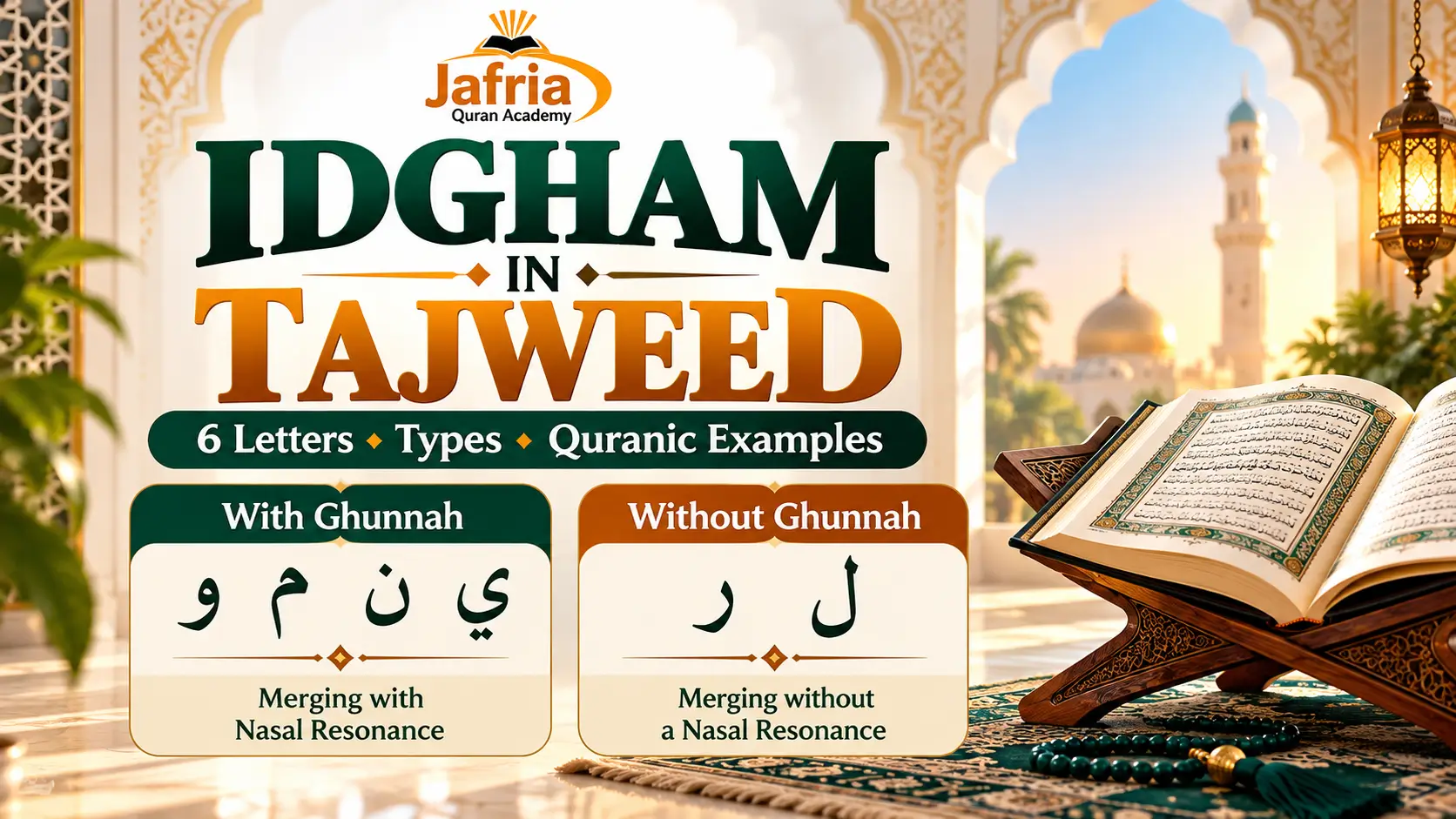
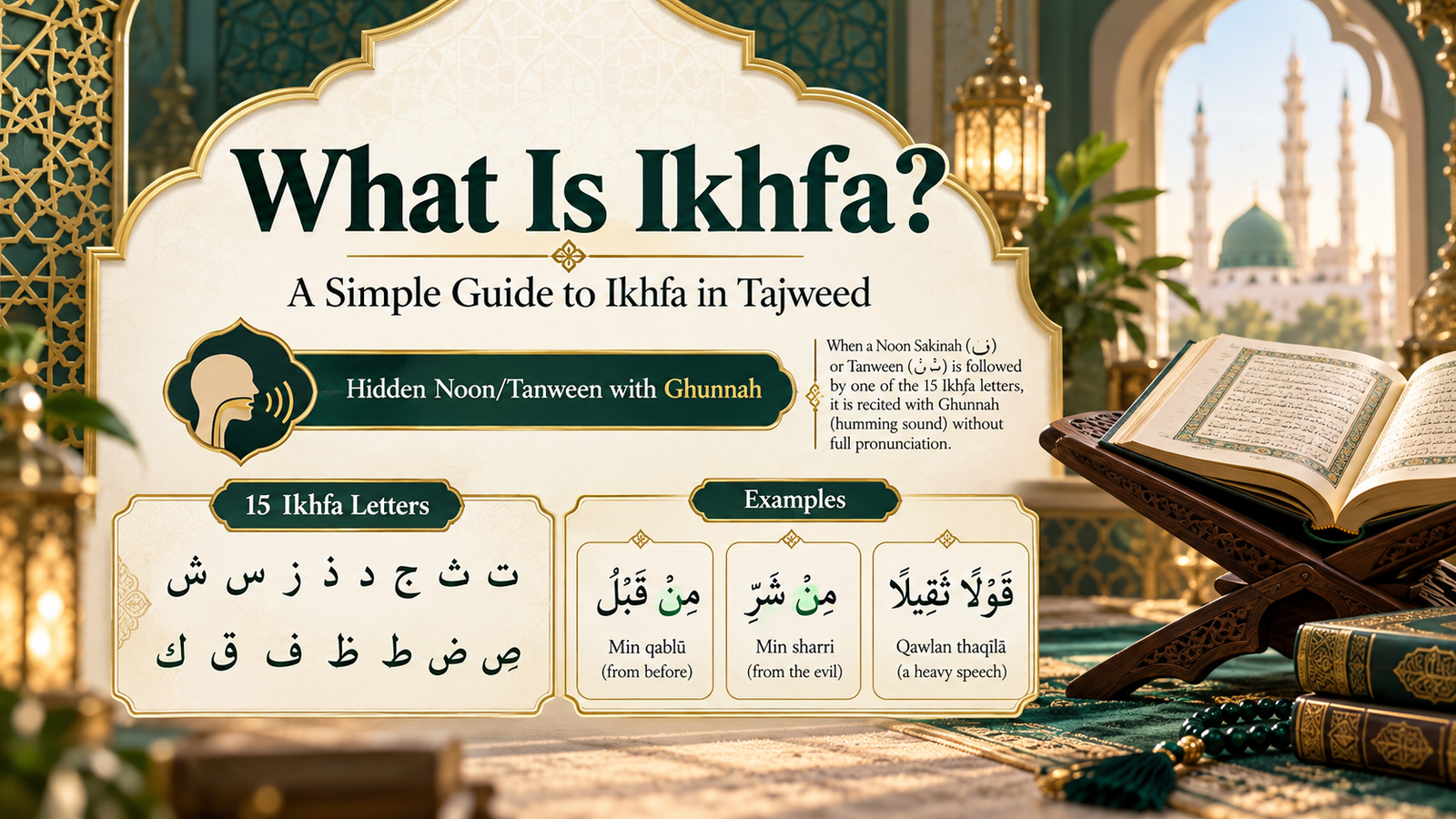
Introduction: Why Learning Tajweed Is Important for Children The Holy Quran is the most important book for Muslims, and learning how to recite it correctly is a responsibility for every believer. For children beginning their Quran journey, learning the basic Tajweed rules is one of the most important steps toward developing accurate and beautiful Quran recitation. Many children can recognize Arabic letters and read Quranic words, but without proper Tajweed knowledge, they may pronounce letters incorrectly or miss important recitation rules. Tajweed helps children understand how every Arabic letter should be pronounced, where the sound comes from, and how verses should be recited properly. For Shia Muslim families, building a strong Quran foundation from an early age is especially important. At Jafria Quran Academy, children learn Quran recitation according to proper pronunciation rules with guidance from experienced Shia Quran teachers. Learning Tajweed does not need to be difficult for children. When taught step by step through simple lessons, activities, and regular practice, children can easily develop correct Quran reading habits. Basic Tajweed helps children: A child who learns Tajweed from the beginning develops a strong foundation that benefits them throughout their Quran learning journey. What Is Tajweed and Why Should Children Learn It? Tajweed is the set of rules that explains how to recite the Quran correctly. The word Tajweed means “to improve” or “to make something better.” In Quran learning, Tajweed means giving every Arabic letter its correct pronunciation, characteristics, and proper sound. Children learn Tajweed so they can: Just as children learn correct pronunciation when speaking any language, they need proper guidance to pronounce Quranic Arabic correctly. Why Basic Tajweed Rules Are Important for Kids Children who learn Tajweed at an early age usually develop better Quran reading skills because correct habits are formed from the beginning. Prevents Pronunciation Mistakes Arabic has many letters that have similar sounds but different meanings. For example, some Arabic letters require specific tongue positions and mouth movements. Without proper guidance, children may pronounce them incorrectly. Tajweed teaches children: This helps children recite Quran with accuracy. Builds Confidence in Quran Recitation Many children feel nervous when reading Quran because they are afraid of making mistakes. Learning basic Tajweed gives children confidence because they understand the correct way to pronounce words. With regular practice, children become comfortable with: Creates a Strong Foundation for Advanced Learning Basic Tajweed is the first step toward advanced Quran studies. Before learning advanced recitation styles, children need to understand: A strong foundation makes future Quran learning easier. Basic Tajweed Rules Every Child Should Learn First Children should learn Tajweed gradually according to their age and learning ability. The following rules are essential for beginners. Understanding Makharij (Places of Articulation) Makharij is one of the most important parts of Tajweed. It refers to the places from where Arabic letters are pronounced. Every Arabic letter has a specific origin, such as: Learning Makharij helps children pronounce Quranic letters correctly. Common Letters That Need Special Practice Some Arabic letters require extra attention because they do not exist in many languages. Children should practice letters such as: A qualified Quran teacher helps children learn the correct tongue and mouth positions for these letters. Learning Arabic Letter Characteristics (Sifaat) Sifaat means the characteristics or qualities of Arabic letters. Understanding Sifaat helps children know how letters should sound. Children learn differences between: These differences improve the beauty and accuracy of Quran recitation. Noon Sakinah and Tanween: Essential Tajweed Rules Every Child Should Learn One of the first Tajweed lessons children learn is the rule of Noon Sakinah (نْ) and Tanween (ً ٍ ٌ). These rules help children pronounce Quranic words correctly and avoid common recitation mistakes. Although they may seem difficult at first, children can easily understand them when they are taught step by step by a qualified Quran teacher. What Is Noon Sakinah? Noon Sakinah is the Arabic letter ن (Noon) that has a Sukoon (ْ), meaning it is pronounced without a vowel. Its pronunciation changes depending on the letter that comes after it. For example: When children learn Noon Sakinah, they are taught to look at the next letter before deciding how to pronounce it. What Is Tanween? Tanween is the double vowel mark placed at the end of certain Arabic nouns: Although the letter ن is not written, Tanween produces an “n” sound when the recitation continues. It follows the same Tajweed rules as Noon Sakinah. Examples include: The Four Rules of Noon Sakinah and Tanween Whenever children see a Noon Sakinah or Tanween, they look at the next letter. That following letter determines which Tajweed rule should be applied. Izhar (Clear Pronunciation) Izhar means to pronounce the Noon sound clearly without merging or hiding it. This rule is applied when Noon Sakinah or Tanween is followed by one of the six throat letters: ء، هـ، ع، ح، غ، خ Children should pronounce the Noon sound clearly before reading the next letter. Idgham (Merging) Idgham means to merge the Noon sound into the next letter. This rule is used when the next letter is one of: ي، ر، م، ل، و، ن Some of these letters are recited with Ghunnah (nasal sound), while others are read without Ghunnah. Children usually learn this distinction after understanding the basic concept of merging. Iqlab (Changing) Iqlab means changing the Noon sound into a hidden Meem (م) sound. This rule only applies when Noon Sakinah or Tanween is followed by the letter: ب Children are taught to pronounce a light hidden Meem with Ghunnah before reading the letter ب. Ikhfa (Hiding) Ikhfa means to hide the Noon sound slightly while producing a gentle nasal sound (Ghunnah). This rule applies when Noon Sakinah or Tanween is followed by any of the remaining Tajweed letters that are not included in Izhar, Idgham, or Iqlab. Children gradually learn how to balance the hidden Noon sound without making it completely clear or fully merged. Tips for Teaching Noon Sakinah and Tanween to Children Parents and teachers can make these

What Is Yassarnal Quran and Why Do Shia Children Learn It?
Blog

What Is Yassarnal Quran and Why Do Shia Children Learn It?

Teaching the Holy Quran is one of the greatest responsibilities for Muslim parents. Before children begin reading the Holy Quran fluently, they first need a strong foundation in Arabic letters, pronunciation, and basic Tajweed rules. For many Shia Muslim families, the first step in this journey is learning the Yassarnal Quran. But what exactly is the Yassarnal Quran, and why is it so important for Shia children? This guide explains everything parents need to know about the Yassarnal Quran, its purpose, benefits, teaching method, and why it plays a vital role in helping children read the Quran correctly. What Is Yassarnal Quran? Yassarnal Quran (يسرنا القرآن) is a beginner-level Quran learning book designed to teach children and new learners how to read the Holy Quran correctly. It introduces students to: Unlike simply memorizing letters, the Yassarnal Quran gradually develops a child’s reading ability step by step until they are ready to read the Holy Quran confidently. Why Is It Called Yassarnal Quran? The name comes from the Quranic verse: “And We have certainly made the Quran easy for remembrance.”(Surah Al-Qamar 54:17) The word “Yassarna” means “We have made easy.” The book is designed to make learning Quran easier for children by using a simple, structured teaching approach. Why Do Shia Children Learn Yassarnal Quran First? Most Shia Islamic schools and Quran academies recommend beginning with the Yassarnal Quran because it provides a strong foundation before moving to complete Quran recitation. Instead of rushing into reading the Quran, children first master: This helps prevent mistakes that become difficult to correct later. The Importance of Building Strong Foundations Learning the Quran is similar to learning any new language. Children first learn: Skipping these steps often leads to incorrect pronunciation. The Yassarnal Quran makes this process easy and organized. What Do Children Learn in Yassarnal Quran? The book follows a gradual learning system. 1. Arabic Alphabet Recognition Children begin by learning: This creates familiarity with the Arabic script. 2. Correct Pronunciation (Makharij) One of the most important lessons is learning where each Arabic letter originates. Teachers help students pronounce letters correctly, including: Correct pronunciation is essential for accurate Quran recitation. 3. Joining Arabic Letters Once children recognize individual letters, they learn how letters connect to form words. Examples include: This develops reading confidence. 4. Reading Short Words Students begin reading: This prepares them for complete Quranic verses. 5. Harakat (Vowel Marks) Children learn: These marks teach proper pronunciation and reading. 6. Sukoon and Madd Students gradually understand: 7. Basic Tajweed Rules Although advanced Tajweed comes later, Yassarnal Quran introduces simple rules such as: Why Is Yassarnal Quran Important for Shia Children? The primary goal is not just reading. It is reading correctly. A child who develops proper pronunciation from the beginning is much more likely to become a confident Quran reader. Benefits include: At What Age Should Children Start Learning Yassarnal Quran? Every child develops differently. Generally: Ages 4–5 Children begin recognizing Arabic letters. Ages 5–7 Most children start structured Yassarnal Quran lessons. Ages 7+ Students usually move toward full Quran reading with Tajweed. Parents should focus on readiness rather than age alone. How Long Does It Take to Complete Yassarnal Quran? The learning time depends on: On average: Class Schedule Estimated Completion 5 Days Weekly 3–5 Months 3 Days Weekly 5–7 Months Weekend Classes 7–9 Months Consistent daily practice usually leads to faster progress. How Parents Can Help Children Learn Faster Parents play a major role in Quran education. Simple habits include: Even 15–20 minutes each day can make a significant difference. Why Learn Yassarnal Quran Online? Online Quran classes have made Quran education more accessible for families around the world. Benefits include: Flexible Scheduling Choose class timings that fit school and family routines. One-on-One Learning Teachers focus entirely on your child’s progress. Qualified Shia Quran Teachers Children learn according to Jafari fiqh with experienced instructors. Safe Learning From Home Students receive personalized lessons without traveling. Individual Learning Pace Every child learns comfortably without unnecessary pressure. Why Choose Jafria Quran Academy? At Jafria Quran Academy, we specialize in teaching Shia children through structured, engaging, and age-appropriate Quran lessons. Our Yassarnal Quran program includes: Our goal is to help every child build a strong Quranic foundation with confidence and love for the Holy Quran. Frequently Asked Questions Is Yassarnal Quran the same as Noorani Qaida? No. Both teach beginners how to read Arabic, but the Yassarnal Quran follows a teaching method commonly used in many Shia communities, while Noorani Qaida is more widely used in Sunni institutions. Both aim to build foundational Quran-reading skills. Can adults learn from Yassarnal Quran? Yes. It is suitable for beginners of any age who want to learn Quran reading from the basics. Does Yassarnal Quran teach Tajweed? Yes. It introduces basic Tajweed concepts and prepares students for more advanced Tajweed study while reading the Holy Quran. How many classes are recommended each week? Most students benefit from 3 to 5 classes per week, along with daily revision at home. Is Yassarnal Quran suitable for complete beginners? Yes. It is specifically designed for learners with no previous knowledge of Arabic reading. Final Thoughts The Yassarnal Quran is an essential first step for many Shia children beginning their Quran-learning journey. By teaching Arabic letters, pronunciation, reading skills, and the basics of Tajweed in a gradual and structured way, it prepares students to recite the Holy Quran with confidence and accuracy. With regular practice, supportive parents, and qualified teachers, children can develop a lifelong connection with the Quran and build a strong foundation for future Islamic learning. If you’re looking for experienced Shia Quran teachers, personalized one-on-one classes, and a child-friendly learning environment, Jafria Quran Academy is here to help your child begin this blessed journey.

Fiqh-e-Jafria for Kids: Essential Lessons Every Child Should Learn
Blog

Fiqh-e-Jafria for Kids: Essential Lessons Every Child Should Learn

A child’s early years are the foundation of their beliefs, habits, and personality. The lessons children learn during this stage often remain with them throughout their lives. For Muslim parents, providing proper Islamic education is one of the most important responsibilities because it helps children understand their faith, develop good manners, and build a strong connection with Allah. For Shia Muslim families, learning Fiqh-e-Jafria for Kids is an essential part of religious education. It helps children understand Islamic rules, worship practices, and daily-life guidance according to the teachings of the Jafari school of thought. Through age-appropriate lessons, children learn how to perform acts of worship correctly, understand their religious responsibilities, and follow the teachings of the Prophet Muhammad (PBUH) and Ahlul Bayt (AS). Many parents today want their children to receive authentic Shia Islamic education but face challenges such as busy schedules, limited access to qualified teachers, or difficulty finding structured learning programs. Online learning has made this process easier by connecting families with experienced teachers who can teach children from the comfort of their homes. A well-designed Fiqh-e-Jafria course for children does not only focus on memorizing rules. It helps children understand the purpose behind Islamic practices and develop a love for their religion. Lessons about Salah, Wudu, Islamic manners, beliefs, fasting, and the teachings of Ahlul Bayt (AS) help children grow with confidence and religious awareness. Whether a child is beginning their Islamic learning journey or wants to improve their existing knowledge, proper guidance from a qualified teacher can make a significant difference. What Is Fiqh-e-Jafria? Fiqh-e-Jafria is the system of Islamic jurisprudence followed by Shia Muslims. It is based on the Quran, the teachings of Prophet Muhammad (PBUH), and the guidance of the Twelve Imams from the Ahlul Bayt (AS). The name “Jafria” comes from Imam Jafar al-Sadiq (AS), the sixth Imam in Shia Islam, who played a significant role in teaching and preserving Islamic knowledge. His teachings covered various areas, including religious laws, ethics, spirituality, and social responsibilities. Fiqh refers to the understanding of Islamic laws and practical guidance that Muslims follow in their daily lives. It explains how believers should perform acts of worship and follow Islamic principles correctly. For children, Fiqh-e-Jafria learning introduces these concepts in a simple and understandable way. Instead of overwhelming children with complicated details, teachers explain religious teachings according to their age and understanding. Some major areas covered in Fiqh-e-Jafria include: Learning these topics from an early age helps children develop a strong religious foundation. Why Is Fiqh-e-Jafria Important for Children? Children naturally learn from their environment. The habits and values they develop during childhood influence their future decisions and behavior. Religious education helps children understand not only what Muslims do but also why they do it. Fiqh-e-Jafria for Kids plays an important role because it teaches children how to practice Islam with knowledge and understanding rather than simply following traditions without awareness. 1. Builds a Strong Islamic Identity Children growing up in different cultures and environments may experience various influences. Islamic education helps them understand their religious identity and remain connected with their beliefs. Through Fiqh-e-Jafria lessons, children learn: A strong Islamic foundation gives children confidence in their faith and helps them make better choices as they grow. 2. Teaches Correct Religious Practices Many children learn religious practices by watching their parents. While parents play an important role, structured education ensures that children understand the correct methods and rules. For example, a child may know that Muslims pray five times a day, but Fiqh lessons explain: Proper guidance helps children perform religious duties with confidence. 3. Creates Love for Religion Islamic learning should not feel like a burden for children. The goal is to create love, understanding, and a positive connection with faith. A good Fiqh-e-Jafria teacher for kids uses stories, examples, activities, and discussions to make lessons interesting. When children understand the beauty and wisdom behind Islamic teachings, they are more likely to practice them willingly. 4. Develops Good Character and Morals Islamic education is not limited to worship practices. It also focuses on developing excellent character. Children learn important qualities such as: The teachings of Ahlul Bayt (AS) provide valuable examples of strong character and good behavior. Essential Lessons Every Child Should Learn in Fiqh-e-Jafria A complete Fiqh-e-Jafria course for kids should cover practical lessons that children can apply in their daily lives. These lessons should be taught gradually according to the child’s age and understanding. 1. Understanding Basic Islamic Beliefs (Aqeedah) Before learning practical rules, children should understand the basic beliefs of Islam. These beliefs form the foundation of a Muslim’s faith. Important topics include: Tawheed (Oneness of Allah) Children learn that Allah is One, the Creator of everything, and the source of guidance and mercy. Teachers explain this concept using simple examples that children can understand. Nubuwwah (Prophethood) Children learn about the role of prophets and why Allah sent messengers to guide humanity. They learn about the life, character, and teachings of Prophet Muhammad (PBUH). Imamat For Shia children, understanding Imamat is an important part of religious education. Children learn about the role of the Imams from Ahlul Bayt (AS) and their importance as guides of Islamic knowledge and values. Qiyamah (Day of Judgment) Children learn that life has purpose and that every person is responsible for their actions. This teaches them the importance of doing good deeds and avoiding harmful behavior. Teaching these beliefs at an early age helps children develop a clear understanding of their religion. 2. Learning Wudu According to Fiqh-e-Jafria Purification is an important part of Islamic worship. Before performing Salah, Muslims need to understand the rules of cleanliness and Wudu. Children should learn: A teacher should provide practical demonstrations so children can understand and remember each step. Learning Wudu properly helps children prepare themselves for prayer and develops good hygiene habits. 3. Salah Training for Kids Salah is one of the most important acts of worship in Islam. Teaching children how to pray from an early age helps them

Best Age to Start Quran Classes for Kids in UK
Blog

Best Age to Start Quran Classes for Kids in UK

Many parents ask the same question: what is the best age to start Quran classes for kids in UK families? The honest answer is simple. Most children can begin gentle Quran learning around age 4 or 5, while structured Qaida and Quran reading often work better from age 6 onwards. That doesn’t mean every child must follow the same path. Some children love letters and sounds early. Others need more time before they can sit, listen and repeat confidently. The goal isn’t to rush your child into lessons. The goal is to start at the right level, with the right teacher and the right pace. At Jafria Quran Academy, children learn Quran online through live one-to-one lessons with qualified male and female Shia teachers. The academy offers Quran reading with Tajweed, Hifz-ul-Quran, Tafseer and Islamic Studies according to Fiqh-e-Jafria, which helps families choose a learning path that suits their child’s age and ability. Why Age Matters in Quran Learning for Children Children don’t all develop in a straight line. One five-year-old may happily repeat Arabic letters for 20 minutes. Another may lose focus after five. That’s normal. Age matters because Quran learning needs three basic skills: When these skills begin to grow, Quran learning becomes easier. If parents start too early with heavy lessons, the child may feel bored or pressured. If they wait too long, the child may miss the chance to build a natural routine during the early years. A balanced start works best. Think of it like planting a seed. Too much water can harm it. No water won’t help either. The right amount, given regularly, helps the roots grow. Best Age to Start Quran Classes for Kids in UK Families For most UK families, the best age to start depends on the type of Quran learning. Child’s Age Best Quran Learning Focus Recommended Lesson Style 3–4 years Listening, short duas, Islamic manners Very gentle, parent-led, playful 4–5 years Arabic letters, simple sounds, short Surahs Short online lessons or guided home practice 6–7 years Qaida, pronunciation, basic Quran reading Structured one-to-one classes 8–10 years Quran reading, Tajweed basics, fluency Regular online classes with revision 11+ years Tajweed, Hifz, Tafseer basics, Islamic Studies Goal-based lessons with a clear plan So, if your child is 4 or 5, you can start gently. If your child is 6 or 7, they’re usually ready for proper Qaida and reading lessons. If your child is older, don’t worry. Many children begin later and still progress beautifully with a patient teacher. How UK School Age Affects Quran Class Readiness In England, most children start Reception full-time in September after their fourth birthday. Compulsory school age usually begins after the child’s fifth birthday, depending on the school term dates. This matters because school often improves a child’s sitting habit, listening ability and confidence with structured learning. Once a child starts school, they usually become more comfortable with short lessons, teacher instructions and regular routines. That’s why many UK parents find that Quran classes work well from Reception or Year 1, especially when lessons stay short and child-friendly. A child who has just started school may still feel tired after a long day. In that case, a short evening lesson or weekend class may work better than a heavy daily schedule. Starting Quran Learning at Ages 3 to 4 At this age, children shouldn’t face pressure. A three or four-year-old can begin Islamic learning through sound, love and routine. Good activities include: Formal online Quran classes may work for some children at this age, but only if the lessons are very short. Ten to fifteen minutes can be enough. The teacher should use a warm voice, simple repetition and a gentle pace. The main goal is connection, not completion. A child who enjoys early exposure will usually feel more confident when structured Qaida lessons begin later. Starting Quran Classes at Ages 4 to 5 Ages four and five can be a lovely time to begin beginner Quran learning. Children often start recognising patterns, copying sounds and enjoying small achievements. At this stage, the child can learn: Lessons should still stay short. A young child doesn’t need a long lecture on Tajweed rules. They need simple sounds, repetition and praise. For example, a teacher might say: “Let’s say this letter slowly. Brilliant. Now let’s try it with a short vowel.” That kind of gentle correction builds confidence. The child feels guided, not tested. Starting Quran Classes at Ages 6 to 7 For many children, ages 6 to 7 are ideal for structured Quran classes. At this age, children usually understand routine better. They can sit for longer, follow instructions and practise between lessons. This is often the best time to begin: Jafria Quran Academy teaches children from the foundation level by introducing Arabic letters and sounds first, then moving gradually towards word formation, pronunciation rules and Quran with Tajweed through personalised online classes. Parents should avoid rushing this stage. If a child builds strong Qaida skills, Quran reading becomes much smoother later. Starting Quran Classes at Ages 8 to 10 Children between eight and ten can usually handle more structured lessons. They may already know some Arabic letters or short Surahs, but they often need help with fluency and pronunciation. This age group can focus on: At this age, children also start noticing their own mistakes. That can be good, but it can also make them shy. A teacher should correct kindly and keep the lesson positive. A harsh tone can close a child’s heart. A calm tone can open it. Starting Quran Classes at Age 11 and Above If your child is 11 or older and hasn’t started Quran classes yet, it’s not late. In fact, older children often learn faster once they feel motivated. They can usually understand: Teenagers may need a teacher who respects their age. They don’t want to be treated like small children. A good tutor explains clearly, sets goals and gives them ownership of their learning. For older children,

Online Quran Classes for Shia Children
Blog

Online Quran Classes for Shia Children

Finding reliable online Quran classes for Shia children can be challenging, especially for families who do not have access to a suitable Shia mosque, madrasa or Quran teacher nearby. Parents want more than a child who can simply read Arabic words. They want their children to recite the Holy Quran correctly, understand the teachings of Islam and develop a strong connection with Allah, the Holy Prophet Muhammad (PBUH) and the Ahlul Bayt (A.S.). Jafria Quran Academy provides live online Quran and Islamic Studies classes for Shia children through qualified male and female teachers. Lessons are delivered individually, allowing each child to learn according to their age, ability and existing Quran knowledge. Children can study Yassarnal Quran Qaida, Quran reading with Tajweed, Hifz, Quran translation, Tafseer, Islamic Studies and Fiqh-e-Jafria from the comfort of home. What Are Online Quran Classes for Shia Children? Online Quran classes for Shia children are live lessons designed to teach Quran recitation and Islamic knowledge within the beliefs and practices of the Shia Muslim community. Classes usually take place through platforms such as Zoom, Microsoft Teams or another secure video-learning system. During each session, the teacher listens to the child, corrects mistakes and introduces new material step by step. Unlike recorded courses, live lessons allow children to ask questions and receive immediate guidance. Depending on the selected programme, a child may learn: The purpose is to combine Quran-reading skills with meaningful religious education. Why Shia Families Choose Online Quran Learning Many Shia families live in places where suitable local tuition is limited. A nearby mosque may not offer children’s classes, while another provider may not teach Islamic Studies according to Fiqh-e-Jafria. Online learning helps remove that location barrier. A child in the UK, USA, Canada, Australia, Europe or another region can learn with a Shia Quran teacher without travelling long distances. Parents can also choose class times that fit around school, homework, family commitments and local time zones. Access to Shia Quran teachers The strongest reason for choosing a specialist academy is access to teachers who understand Shia beliefs and practices. This becomes especially important when lessons include: Parents do not need to explain their beliefs to a teacher unfamiliar with their tradition. Instead, Quran recitation and Islamic Studies can be taught within a familiar religious framework. Convenient learning from home Online classes remove the need to travel to a madrasa several times each week. This can help families who: The child can attend class using a computer, tablet or suitable mobile device with a stable internet connection. Individual teacher attention In a large group class, a teacher may have limited time to listen to every child carefully. One-to-one online lessons create more opportunities for direct correction. The teacher can identify whether the child is struggling with letter recognition, blending, Makharij, fluency, Tajweed or revision. The pace can then be adjusted accordingly. A complete beginner may spend more time on Arabic letters, while an experienced reader can focus on advanced recitation or memorisation. What Children Learn in Our Online Shia Quran Classes Every child should begin at the correct level rather than being placed into a standard programme based only on age. A beginner needs a strong reading foundation. By contrast, a child who already reads from the Mushaf may need Tajweed correction, fluency practice or Hifz support. Yassarnal Quran Qaida for beginners The Yassarnal Quran Qaida course introduces children to the foundations of Quran reading. Children gradually learn: The teacher should not rush a child through the Qaida simply to finish it. A strong foundation makes future Quran reading easier. Therefore, children should move forward when they can recognise and read the material with reasonable confidence. Quran reading with Tajweed After developing basic decoding skills, children can begin reading directly from the Holy Quran. During live Tajweed lessons, the teacher listens to each passage and corrects pronunciation in real time. Children may study: Tajweed should be introduced gradually. Giving a young learner too many technical rules at once may cause confusion. Instead, the teacher can demonstrate a rule, practise it in selected words and help the child apply it during recitation. Hifz and Quran memorisation Children who are ready for memorisation can study selected surahs, Juz Amma or a wider Hifz programme. A structured Hifz lesson usually includes: Revision, also known as muraja’ah, is essential. Learning new verses without reviewing previous portions can lead to weak retention. For that reason, a suitable Hifz plan should reflect the child’s memory, school timetable and ability to revise consistently. Quran translation and Tafseer Reading Arabic is important, but children should also begin understanding the message of the Quran at an age-appropriate level. Translation and Tafseer lessons can help children explore: Young children do not need highly technical explanations. Clear stories, examples and practical lessons are usually more effective. Shia Islamic Studies for children Islamic Studies helps children connect Quran learning with everyday faith and practice. A child’s programme may include: Lessons should be adapted to the child’s age. Younger learners may benefit from stories and visual activities, while older children can explore beliefs, history and practical rulings in greater depth. Online Quran Classes by Age and Learning Stage Children should not all receive the same lesson length, homework or teaching style. Age or stage Suitable learning focus Suggested lesson approach Ages 3–5 Listening, Arabic sounds, short surahs and duas Short, playful lessons Ages 5–7 Yassarnal Qaida, letter joining and pronunciation Structured beginner lessons Ages 7–10 Quran reading, Tajweed and Islamic Studies Regular guided practice Ages 10–13 Fluency, Hifz, translation and Fiqh Goal-based lessons Teenagers Tajweed correction, Tafseer, Hifz and deeper studies Personalised programme Late beginners Qaida, Al-Fatihah and core reading skills Respectful one-to-one support These age ranges are flexible. Readiness and previous experience are more important than a child’s exact birthday. What Is the Best Age to Start? Many children can begin structured Quran lessons between the ages of four and seven. However, Quran exposure may begin much earlier through listening, stories, duas and family recitation. A

Online Shia Quran Classes in Pakistan | Learn Quran from Home
Blog

Online Shia Quran Classes in Pakistan

Learning the Holy Quran is an important part of every Muslim family’s life. In Pakistan, many parents want their children to learn Quran reading, Tajweed, Duas, Namaz, and Islamic teachings according to the Shia school of thought. However, due to busy schedules, travel issues, and limited access to qualified teachers, many families now prefer online Shia Quran classes in Pakistan. Online Quran learning makes it easier for children, adults, and families to study the Quran from home with experienced Shia teachers. With flexible timing, one-to-one attention, and structured lessons, online classes have become a helpful option for students across Pakistan. Why Choose Online Shia Quran Classes in Pakistan? Online Shia Quran classes are convenient, safe, and easy to manage. Students do not need to travel to a madrasa or tuition center. They can learn from home using a mobile phone, tablet, or computer. This is especially helpful for families living in cities like Karachi, Lahore, Islamabad, Rawalpindi, Multan, Faisalabad, Quetta, Peshawar, and smaller towns where qualified Shia Quran teachers may not always be available nearby. Online classes also allow parents to monitor their child’s progress and stay involved in their Quran learning journey. Learn Quran with Qualified Shia Teachers One of the main benefits of online Shia Quran classes in Pakistan is access to qualified and experienced Shia teachers. A good teacher helps students learn proper Quran pronunciation, Tajweed rules, and Islamic concepts in a simple way. Teachers can guide students step by step, starting from basic Arabic letters and moving toward fluent Quran recitation. For beginners, lessons usually start with Qaida. For advanced students, teachers may focus on Tajweed, translation, Tafseer, or memorization. Quran Classes for Kids and Adults Online Shia Quran classes are not only for children. Adults can also join these classes to improve their recitation, learn Quran translation, understand Islamic beliefs, or revise what they learned earlier in life. For children, online classes are designed to be simple and interactive. Teachers use repetition, short lessons, and friendly communication to keep children interested. For adults, lessons can be adjusted according to their level and goals. Courses Offered in Online Shia Quran Classes A good Shia Quran academy in Pakistan usually offers different courses for different learning needs. These may include: These courses help students build both Quran reading skills and Islamic knowledge. One-to-One Quran Learning Many parents prefer one-to-one online Quran classes because the teacher gives full attention to one student. This helps children learn faster and ask questions without hesitation. In group classes, some children may feel shy or left behind. But in one-to-one sessions, the teacher can adjust the lesson speed according to the student’s ability. This makes the learning process more comfortable and effective. Flexible Class Timings Another major advantage of online Shia Quran classes in Pakistan is flexible timing. Students can choose class times according to school, college, office, or family schedules. This flexibility is useful for busy parents and students who cannot attend fixed-time classes. Morning, evening, and weekend classes can be arranged depending on availability. Safe Learning from Home Parents are always concerned about their children’s safety. Online Quran classes allow children to learn in a safe home environment. Parents can sit nearby, listen to the lesson, and check how the teacher is guiding the child. This gives parents peace of mind and helps children feel more comfortable during the class. Female Shia Quran Teachers Many families prefer female Quran teachers for young children and female students. Online Shia Quran academies often provide female teachers who can teach Quran reading, Tajweed, Duas, and Islamic studies. This is especially helpful for girls and women who want a comfortable learning environment with a qualified female tutor. Benefits of Online Shia Quran Classes in Pakistan Online Quran learning offers many benefits for students and families. Some key benefits include: These benefits make online Shia Quran classes a practical choice for families across Pakistan. How Parents Can Help Children Learn Quran Online Parents play an important role in their child’s Quran learning. They should create a quiet place for class, make sure the internet connection is stable, and encourage the child with kindness. It is also helpful to revise the lesson daily for a few minutes. Children learn better when parents support them with love, patience, and regular practice. Choosing the Best Online Shia Quran Academy Before joining an online Shia Quran academy, parents should check a few important things. The academy should have experienced Shia teachers, proper course plans, flexible timing, and a friendly teaching style. It is also good to ask for a trial class. A trial class helps parents understand the teacher’s method and see whether the child feels comfortable. Final Thoughts Online Shia Quran classes in Pakistan are a simple and effective way to learn the Holy Quran from home. Whether you want Quran classes for kids, Tajweed lessons, Quran memorization, Duas, Namaz, or Islamic studies, online learning can provide a flexible and comfortable solution. With qualified Shia teachers, one-to-one attention, and regular practice, students can improve their Quran recitation and build a stronger connection with Islamic teachings. For parents who want safe, convenient, and reliable Quran education, online Shia Quran classes are a great choice. Call to Action Start your Quran learning journey today with trusted online Shia Quran classes in Pakistan. Join a free trial class and help your child learn Quran with confidence, love, and proper guidance.

Scroll to Top