Best Online Shia Quran Academy for Families: A Complete Parent’s Guide
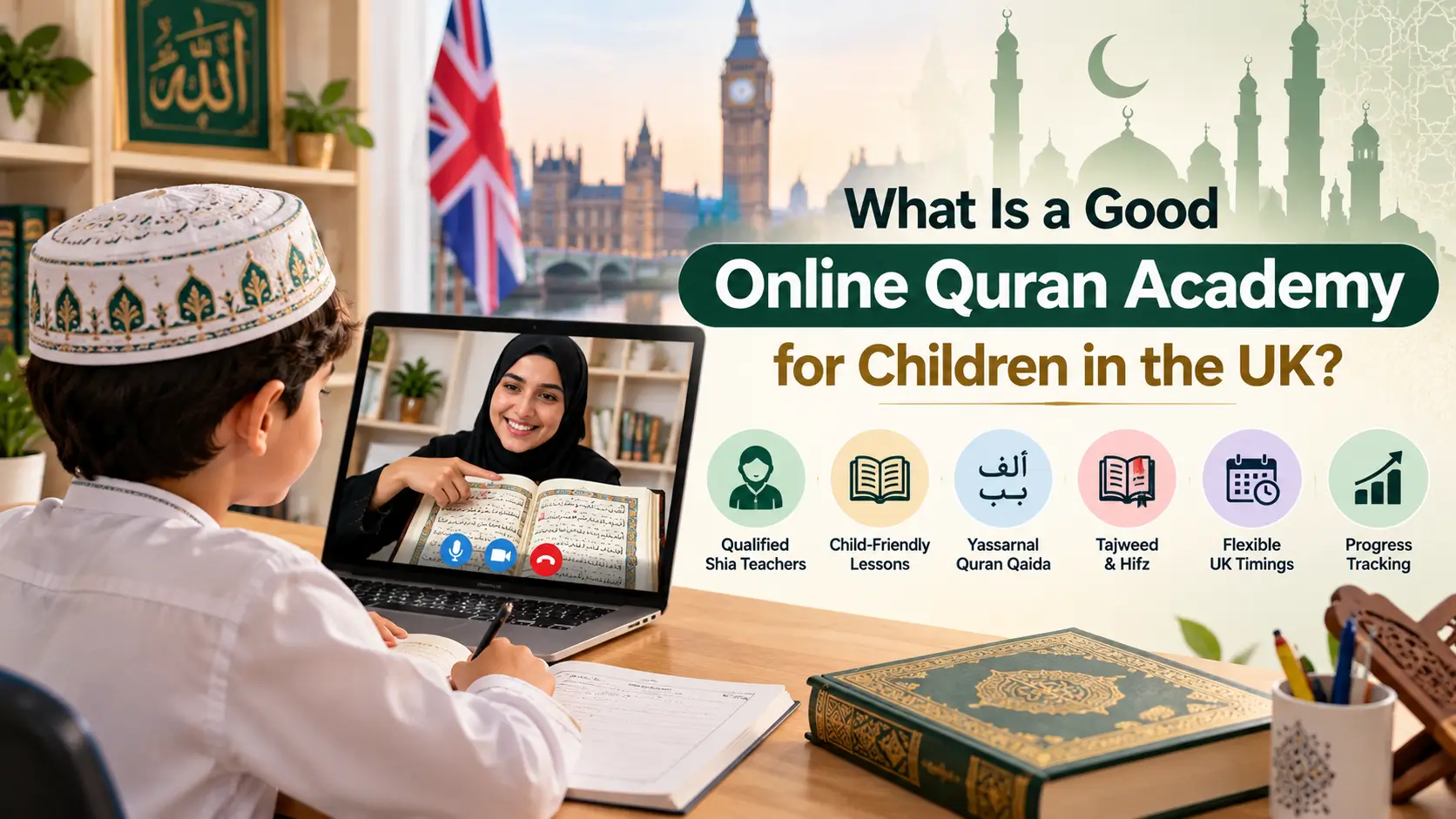
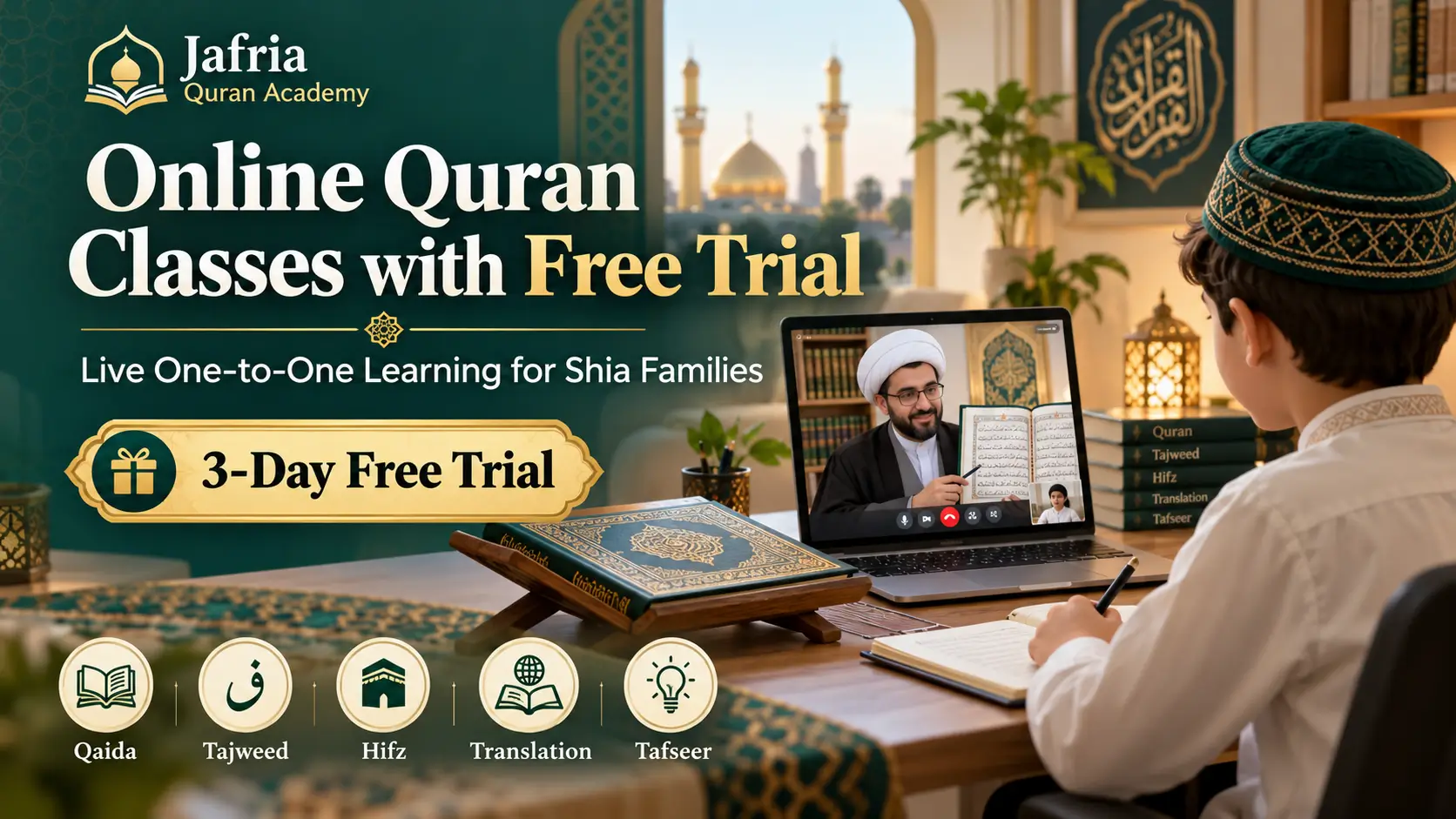
Finding the best online Shia Quran academy for families is about more than choosing someone who can teach your child how to read Arabic. Parents want an Islamic learning environment where children can improve their Quran recitation, understand their faith, learn good Islamic values, and develop a meaningful connection with the teachings of the Ahlul Bayt (A.S.). This can be especially important for Shia families living in the USA, UK, Canada, Australia, Europe, and other regions where finding an experienced local Shia Quran teacher may not always be easy. A trusted online Shia Quran academy makes it possible for children, teenagers, adults, and beginners to learn from home with qualified Shia teachers while following a schedule that works around school, work, and family responsibilities. But how do you know which academy is right for your family? This guide explains the most important factors parents should consider before enrolling. What Makes the Best Online Shia Quran Academy for Families? Every family has different learning needs. One child may be starting with Arabic letters, while another already reads the Quran and needs help with Tajweed. Parents may want Islamic Studies alongside Quran lessons, and adults may need a flexible schedule because of work. That is why a good family-focused academy should offer more than one standard Quran course. Parents should look for: A strong academy should be able to support students at different ages and learning levels without forcing every family member into the same program. 1. Choose an Academy That Understands Shia Islamic Education For Shia parents, Quran education is often connected with a much wider understanding of Islam. Learning how to recite the Holy Quran correctly is essential, but families may also want their children to understand Islamic beliefs, duas, Akhlaq, worship, and the teachings of the Ahlul Bayt (A.S.). This is why the religious approach of an academy matters. Shia families should look for Quran classes where teachers understand Fiqh-e-Jafria and can provide Islamic education that is consistent with the beliefs children are learning at home. This consistency is particularly valuable for younger children. It helps them connect Quran education with their everyday Islamic identity instead of treating Quran class as an isolated academic subject. At Jafria Quran Academy, Quran and Islamic programs are provided for Shia students through one-to-one online learning according to Fiqh-e-Jafria. 2. Qualified and Patient Shia Quran Teachers Matter The quality of an online Quran class depends heavily on the teacher. A good Quran teacher should have strong knowledge, but knowledge alone does not automatically make someone an effective teacher—especially for young children. A capable online Shia Quran teacher should know how to: Children also have different personalities. Some children are naturally confident and speak freely during lessons. Others are shy and may need several classes before becoming comfortable with their teacher. The best teachers understand these differences instead of expecting every student to learn in the same way. Parents can learn more about the academy’s teaching team through the Shia Quran teachers section before selecting a tutor. 3. One-to-One Quran Classes Offer Personal Attention One-to-one classes can be especially useful for Quran learning because recitation requires individual correction. Imagine two children of the same age. One child recognizes Arabic letters easily but has difficulty pronouncing certain sounds correctly. The other pronounces letters well but reads slowly and struggles to join words. Putting both students through exactly the same lesson at exactly the same pace may not be effective. With individual lessons, the teacher can identify the student’s actual weaknesses and focus on them. This can help with: One-to-one learning can also allow students to ask questions comfortably without worrying about other students in a group. For families with several children, each child can follow a learning plan appropriate for his or her current Quran level. 4. Beginners Need a Strong Quran Reading Foundation Parents sometimes worry that their child does not know enough Arabic to join Quran classes. A complete beginner should not be expected to start reading directly from the Quran. A structured foundation course normally begins with Arabic letters, sounds, joining letters, Harakaat, pronunciation, Makharij, and introductory Tajweed. This creates the foundation needed for independent Quran reading later. Children and adults who are starting from the beginning can explore the Shia Yassarnal Quran Qaida Course, which is designed to build Quran reading skills step by step. A good beginner course should prioritize accuracy over speed. Finishing a Qaida quickly is not necessarily a sign of successful learning. It is better for students to develop correct pronunciation and strong reading habits before moving forward. Mistakes learned at the beginning can become difficult habits to correct later. 5. Tajweed Should Be an Important Part of Quran Learning Being able to recognize Quranic words is only one part of recitation. Students should also learn how Arabic letters are pronounced correctly and gradually understand the rules that govern Quran recitation. This is the purpose of Tajweed. Students may learn areas such as: Young children do not have to memorize every technical Tajweed term immediately. A good teacher introduces rules gradually and helps students apply them while reading. As students become more confident, they can develop a deeper understanding of those rules. Students who already know how to read but want to improve their pronunciation can join structured online Quran classes with Tajweed. Learning directly with a teacher is particularly useful because pronunciation mistakes can be identified and corrected as they happen. 6. A Family Quran Academy Should Teach More Than Reading Quran reading is important, but many Shia parents want their children to develop broader Islamic knowledge as well. A family-focused academy can support this by offering Quranic and Islamic subjects beyond basic recitation. Depending on a student’s age and level, these may include: Islamic Studies Children can learn Islamic manners, beliefs, duas, Shia history, ethics, and teachings related to the Ahlul Bayt (A.S.). Parents who want to combine Quran lessons with religious education can explore Islamic Studies online for kids. Quran Translation Translation helps